The ARRIVAL
FROM THE EYE OF AN IMMIGRANT
The arrival did not begin with land.
It began with noise.
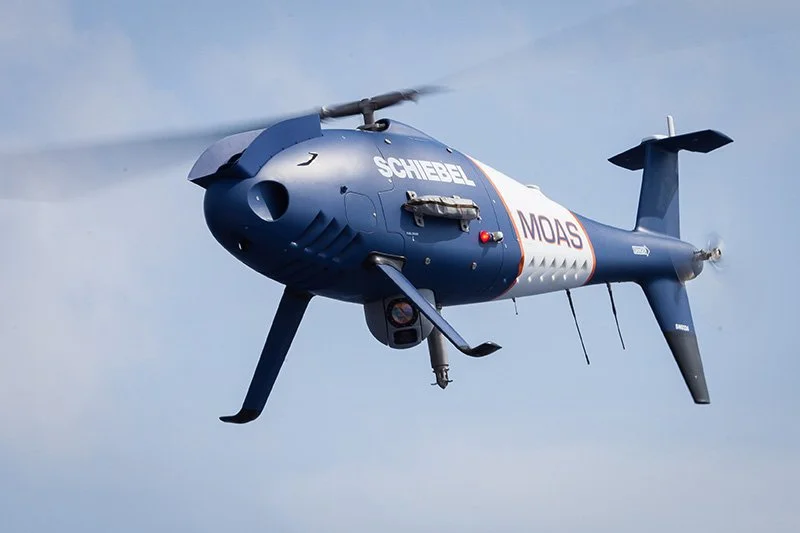
The Helicopter
We heard it before we saw it.
A chopping sound cutting through the air, low and mechanical, hovering somewhere above the water. At first, no one spoke. Then instinct took over.
We stood.
We waved.
We screamed.
Not words — just sound. The kind that comes out when the body decides it cannot be quiet anymore.
My arms burned as I waved. My throat hurt from shouting. For a moment, hope broke discipline.
Izzy shouted over the noise, his voice sharp with fear.
“This might be the Libyan police!”
That sentence landed hard.
Because the sound of help and the sound of arrest had learned how to wear the same uniform.
The helicopter circled. Its shadow passed over us. We screamed again — louder this time. Hands in the air. Bodies leaning toward the sky like it could pull us up if we reached high enough.
Then Lenzo pointed.
“Look,” he said.
“Look carefully.”
Painted on the side of the helicopter, just visible as it turned, was a flag.
Blue.
Stars.
“The European Union,” he said.
No one cheered.
We had learned better than that.
The Boat That Was Already Breaking
Our lapalapa boat was dying.
We didn’t need to check. We could feel it.
Water was already coming in — not dramatically, not fast — just enough to keep us bailing constantly. Every few minutes, someone leaned down, scooping water out with whatever they could find. Shoes. Bottles. Hands.
The rubber beneath us felt softer than it should have.
When the helicopter left, silence returned — heavier than before. But this time, it wasn’t empty.
We knew someone had seen us.
That knowledge is dangerous.
Because once you are seen, waiting becomes louder.
The Big Boat
It appeared the way truth always does — slowly, then all at once.
At first, it was just a shape.
Then a structure.
Then scale.
What we thought was a small boat was massive. Too big to belong to the sea. Too solid to be ignored. It moved with confidence, displacing water as if it owned it.
It came alongside us.
Side to side.
Close enough to feel the difference between rubber and metal.
Someone shouted instructions through a speaker.
I didn’t understand everything — but I understood the tone.
A life jacket was thrown toward us. Then a rope.
“Hold it! Hold it!”
Hands grabbed. Fingers locked.
Then came the rope ladder.
“CALM DOWN! CALM DOWN!”
They kept shouting it.
Calm down.
Calm down.
As if calm were something you could switch on after everything your body had just survived.
We climbed anyway.
Fast.
Clumsy.
Desperate.
Metal burned my palms. My legs shook as I pulled myself up. Below me, the lapalapa boat looked smaller than it ever had — already irrelevant, already gone.
On the Ship
Once on deck, the energy collapsed.
Not joy.
Not relief.
Collapse.
Silver nylon blankets were wrapped around us — thin, loud, crinkling like paper. They trapped heat but not memory. My teeth still chattered. Not just from cold.
Someone kept saying, “Sit. Sit here.”
I sat.
For the first time in a long time, no one told me to move again immediately.
It was around midnight when they moved us onto smaller speed boats — ramps connecting one rescue to another. The sea was calmer now, but the cold had finally arrived. The silver nylon stuck to my skin. Every movement made noise.
I remember thinking, very clearly:
I’m going to write this story.
Not as a plan.
As a decision.
Dawn
By the time the sky began to change, we were close to land.
Lampedusa did not rise dramatically. It appeared the way the night disappears — quietly, without permission.
At dawn, we arrived.
Feet touched ground.
Cameras waited.
Voices changed.
But inside, nothing had caught up yet.
The helicopter.
The rope.
The ladder.
The shouting.
The silver blanket.
They were all still inside my body, stacked on top of each other, unresolved.
What Arrival Really Felt Like
Arrival did not feel like freedom.
It felt like being allowed to stop.
Stop bailing water.
Stop calculating distance.
Stop guessing who the uniforms belonged to.
Just stop.
And in that stopping, something else began.
Not healing.
Not relief.
Memory.
That is where this story truly started.
Not when I left.
Not when I crossed.
But when I decided — on a cold deck, wrapped in silver nylon, somewhere between sea and land — that if I survived this, I would not let it disappear.